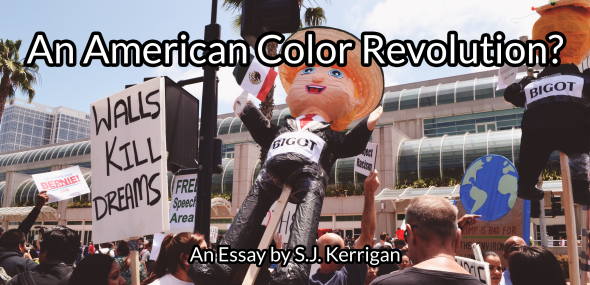
In 2012, a man named Peter Turchin predicted that by 2020 the US would reach “peak instability” marked by violent unrest and major social upheaval.
Turchin is one of those “cycle guys.” That means he looks for patterns in history to help predict the future. He’s an ecologist, evolutionary biologist, and mathematician at the University of Connecticut. The technical name for his field of study is “cliodynamics” and although it’s been called pseudoscience, Turchin’s work has been published in Nature, and he insists it is a reliable model for predicting the future.
It is similar to William Strauss and Neil Howe’s Fourth Turning theory developed in the early 1990s, which said that the US would enter a time of intense instability beginning around 2008.
People like this are annoying because they tie everything back into their cyclical theory, but there’s no arguing with results.
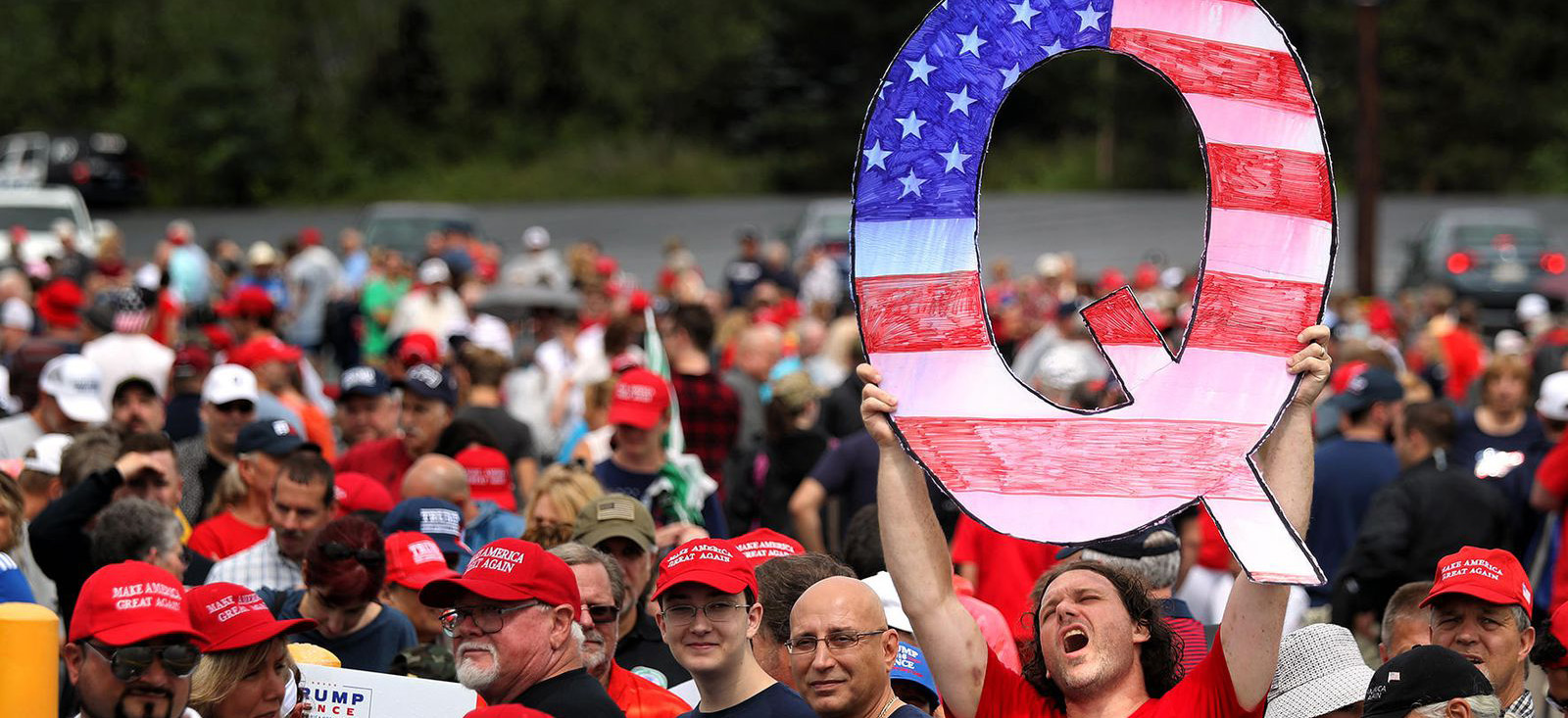
I won’t summarize the shit-show that was 2020. We all lived it. But this month alone, we’ve seen Trump supporters raid the Capitol Building resulting in five deaths, the House of Representatives impeach the now former President (again), Joe Biden inaugurated amidst a military backdrop, and most recently, a massive financial scandal involving, of all things, GameStop. Read More